
Enterprise Development in Kaduna
In 2023, AviraLight partnered with the Kaduna State Government to launch a comprehensive enterprise development program targeting rural farming communities. The initiative aimed to bridge the gap between smallholder farmers and market opportunities while building sustainable agricultural businesses.
The Challenge
Kaduna State's rural farming communities faced multiple barriers to economic prosperity. Despite abundant agricultural potential, farmers struggled with limited market access, inadequate storage facilities, and lack of financial literacy. Traditional farming methods resulted in post-harvest losses exceeding 40%, while middlemen captured most of the value chain profits.
Local farmers had the skills and dedication but lacked the infrastructure and knowledge to transform their efforts into sustainable enterprises.
Our Approach
We designed a multi-layered intervention strategy that addressed both immediate needs and long-term sustainability.
Phase 1: Assessment and Community Engagement
Our team spent three months conducting comprehensive baseline assessments across 15 communities. We engaged with over 500 farmers, local leaders, and market stakeholders to understand the unique challenges and opportunities in each location.
Key findings included:
- 78% of farmers lacked access to formal credit facilities
- Average post-harvest losses of 42% due to inadequate storage
- Limited knowledge of market pricing and negotiation
- No established farmer cooperatives or collective bargaining structures
Phase 2: Infrastructure and Training
Based on our assessment, we implemented a coordinated program combining physical infrastructure with capacity building.
Storage Facilities
We constructed 8 modern storage warehouses across strategic locations, reducing post-harvest losses by 65%. These facilities included solar-powered cooling systems and digital inventory management.
Market Linkages
We established direct connections between farmer cooperatives and urban markets, eliminating exploitative middlemen. Our mobile app platform enabled real-time price discovery and order management.
Financial Literacy
Over 1,200 farmers completed our financial management training, learning budgeting, record-keeping, and accessing formal credit systems.
Phase 3: Cooperative Formation
We facilitated the creation of 12 farmer cooperatives, providing legal support, governance training, and initial working capital. These cooperatives now collectively negotiate prices, share resources, and access bulk purchasing discounts.
Key Innovations
Digital Market Platform
Our custom-built mobile application connected farmers directly to buyers, providing real-time market prices, weather forecasts, and agronomic advice. Within 6 months, over 800 farmers actively used the platform.
Solar-Powered Cold Storage
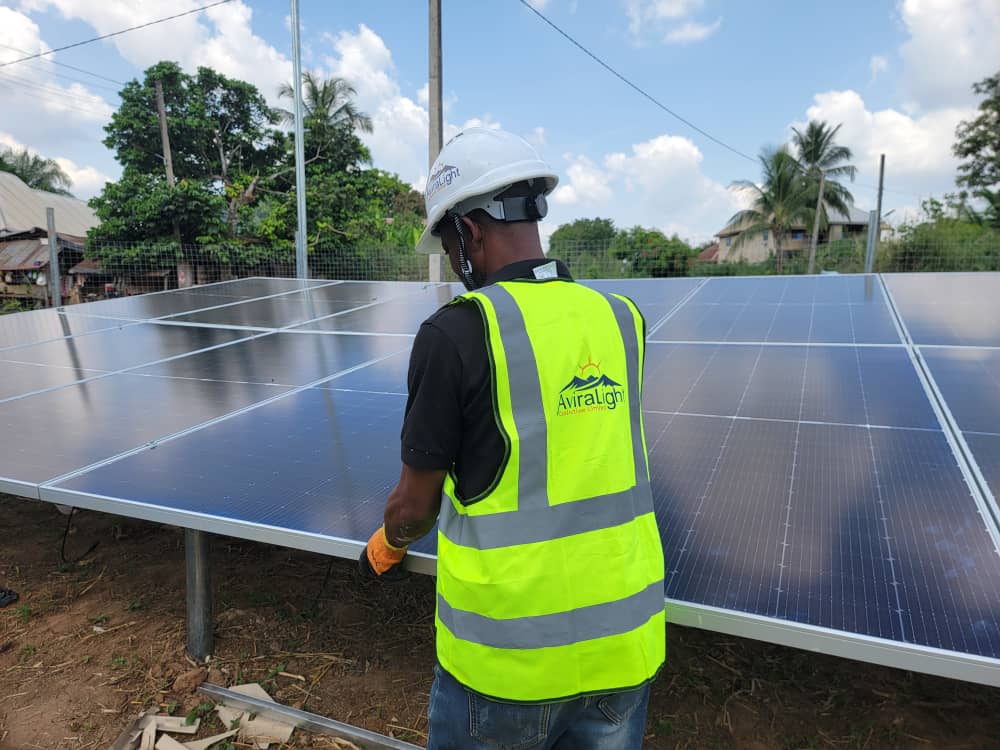
Recognizing unreliable grid electricity, we designed off-grid storage facilities powered entirely by solar energy. This innovation extended produce shelf life by 300% while reducing operational costs.
Peer Learning Networks
We established farmer-to-farmer learning circles where successful members trained their peers. This approach proved more effective than traditional top-down training, achieving 92% knowledge retention.
Impact and Results
After 18 months of implementation, the program delivered measurable transformation:
Economic Impact
- Average farmer income increased by 156%
- Post-harvest losses reduced from 42% to 15%
- 1,847 farmers accessed formal credit for the first time
- Cooperative revenues totaled ₦340 million in the first year
Social Impact
- 62% of cooperative leadership positions held by women
- 450 youth engaged in agricultural enterprises
- 12 communities established functional farmer cooperatives
- Enhanced food security for 15,000+ household members
Environmental Impact
- 40% reduction in chemical pesticide use through integrated pest management
- 500 hectares adopted sustainable farming practices
- Solar facilities eliminated 120 tons of CO2 emissions annually
Challenges and Lessons Learned
No development initiative is without obstacles. We encountered several challenges that shaped our approach:
Initial Resistance to Technology
Many older farmers were skeptical of mobile technology. We addressed this by training younger family members who became technology champions within their households.
Seasonal Cash Flow Constraints
Farmers needed income during planting seasons before harvest revenues arrived. We partnered with microfinance institutions to create seasonal credit products tailored to agricultural cycles.
Infrastructure Maintenance
Ensuring long-term facility maintenance required building local technical capacity. We trained 24 community members as facility managers and technicians.
Sustainability and Scale
The program's design emphasized sustainability from inception. All storage facilities are now managed and financially sustained by farmer cooperatives. The digital platform operates on a minimal transaction fee model, covering its operational costs.
Following this success, the Kaduna State Government has committed to scaling the model to 30 additional communities. We're also adapting the approach for implementation in three other Nigerian states.
Community Voices
"Before this program, I sold my tomatoes for whatever price the middlemen offered. Now, through our cooperative and the mobile app, I get fair prices and my family lives better."
— Hauwa Ibrahim, Cooperative Member, Kafanchan
"The storage facility changed everything for our community. We no longer watch our harvest rot while waiting for buyers. We can store, plan, and sell at the right time."
— Musa Abdullahi, Cooperative Chairman, Zaria
Looking Forward
The Kaduna enterprise development program demonstrates that rural transformation requires more than infrastructure alone. Success demands understanding community dynamics, building local capacity, and creating sustainable systems that outlast external intervention.
AviraLight continues to support these communities, monitoring outcomes and refining approaches based on real-world results. Our goal remains clear: ensure every development investment creates lasting, measurable impact.
Project Partners
- Kaduna State Ministry of Agriculture
- Federal Ministry of Agriculture and Rural Development
- Access Bank Nigeria (Financial Partner)
- Nigerian Agricultural Insurance Corporation
- Local Government Councils across 8 LGAs
For more information about this project or to explore partnership opportunities, contact us at email protected